Edition #28: What to do when you don’t know what to do
Why is making a decision so hard?
That’s an easy one:
What if you choose wrong?
What if it doesn’t work out?
What if you irrevocably blow up your life and spend the rest of it thinking about what it could have been
Choosing is scary.
But it is also your best shot at crafting the life you dream of.
“Vision without action is a daydream. Action without vision is a nightmare.”
The Problem: How do you know what the right choice is?
Should I invest in a university degree?
Should I marry this person?
Should I take this job?
Should I buy this house?
Should I have kids?
Adulting is hard.
No one has a crystal ball. No one can predict the future. The world is constantly changing, and so are the rules.
The right choice last month could be the wrong choice this month.
So if the right choice doesn’t exist, how do we know if we’ve chosen well…?
The Solution: The Science of No Regrets
Avoiding regret is less about choosing well and more about committing to whatever choice you make.
Of course you should do your due diligence - research, talk to people with experience and wisdom, and make the best choice you can with the information available.
But the secret to satisfaction lies in your commitment to that choice. The research shows that when you believe a decision to be final and irreversible, it shifts your brain to execution.
It finds reasons to make this choice work rather than waste energy on ‘what ifs’. Your brain looks for reasons to love the choice it made.
Perhaps the best way to evaluate your choice is not by asking whether it was right or wrong.
Instead, ask how well you executed it.
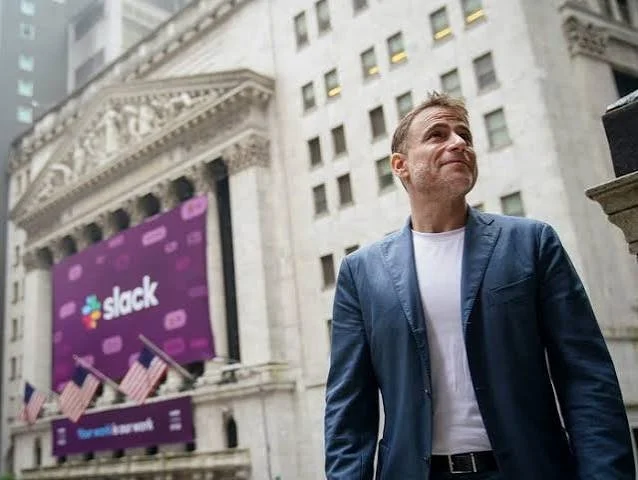
Photo Credit: Stewart Butterfield, Slack CEO
The Application:
Stewart Butterfield graduated from Cambridge with a masters in philosophy and every intention of becoming a professor.
But it was 1997 and he saw his friends in San Francisco making a lot more money than him developing websites.
So he left academia and went all in on designing Game Neverending with Caterina Fake, a computer game you’ve never heard of because it flopped.
But inside the game was a photo-sharing feature. It was 2004 which meant that camera phones were now a thing and more households were online. They abandoned the game and went all-in on designing the photo-sharing platform Flickr.
A year later, it sold for $25 million to Yahoo!
But Stewart wasn’t done with his gaming dreams. He tried again, with Glitch, a multiplayer online game about cooperation and creativity rather than combat. Years of passion. Years of work. Thousands of dollars invested. And once again, it failed.
But inside the game was an internal communication tool. They abandoned the game and went all-in on Slack, an employee collaboration tool. In 2018, it was valued at $5.1 billion dollars and used by the likes of Samsung, IBM, and M&S.
Doing this once is lucky. Twice means there are things to be learned:
Sometimes Stewart failed, sometimes he succeeded. But he was always all-in
Stewart didn’t confuse commitment with stubbornness. He made the best decision he could, but wasn’t afraid to pivot when new information became available
Failure isn’t fatal. It’s an opportunity to adjust
What action can you take today to strengthen a goal or commitment you’ve made to yourself?
At times, we all deal with the consequences of things we didn’t choose. And it can feel incredibly unfair.
But even within circumstances we can’t change, choices still exist. We need the eyes to see them, and the courage to choose.
Stay bold, friends!
- Stef 💪
Forward this to a friend you want to encourage!
Or forward to someone looking for an inspirational speaker.